15% Global Minimum Tax (GMT) Goes Live at SARS
“An agreement that will really change the world.” (Olaf Scholz, former German Finance Minister)
| In October 2021, a global minimum tax framework for large multinational enterprises (MNEs) was established with the introduction of the GloBE (Global Anti-Base Erosion) model rules by the OECD (Organisation for Economic Cooperation and Development).
These rules address profit shifting by multinational groups to low- or no-tax jurisdictions and ensure a minimum level of tax is paid on income in every jurisdiction in which MNEs operate. South Africa enacted the GloBE minimum tax legislation in 2024 and 2025, enabling SARS to impose a multinational top-up tax at a rate of 15% on the excess profits of affected MNE Groups. This tax effectively brings the overall taxation of foreign profits up to a minimum agreed level of 15%, where those profits have been subject to little or no tax offshore. As such, the GMT is expected to generate significant additional tax revenues by curbing tax avoidance, ensuring multinational corporations contribute their fair share of taxes, and extending the country’s tax base. The GMT is expected to raise an estimated R2 billion in South African tax revenues. The broadened tax base will open opportunities to lower the personal income tax burden on individuals, or to consider more globally competitive corporate tax rates than the current 27%, which is well above the international average. Which companies are directly affected?
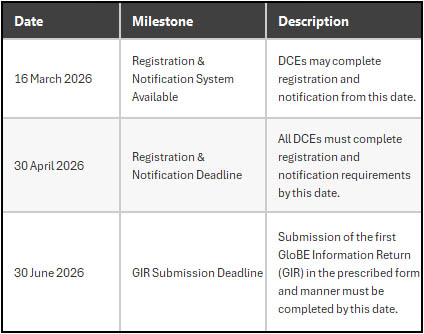
The GloBE Rules apply to MNE Groups whose consolidated annual revenues equal or exceed EUR 750 million in at least two of the tax years immediately preceding the reporting fiscal year. GMT deadlinesThe local legislation governing GMT is deemed to have come into operation on 1 January 2024 and applies to MNEs’ subsequent “fiscal years”. Here are the deadline dates as published by SARS.
Source: SARS How will the tax be calculated?
Registration and reporting obligations
SARS is ready: Are you?SARS is actively preparing to administer the GloBE framework, with a dedicated project team, including IT and system engineers, and a specialised unit within its Large Business & International Unit. It aims to promote voluntary compliance and simplify adherence with the GMT legislation. Even so, a significant compliance burden and increased reporting scrutiny awaits affected companies. They will have to comply with new and technically demanding rules, even if no global minimum tax is ultimately payable. This will likely require specialist expertise, resulting in substantial additional compliance costs. |